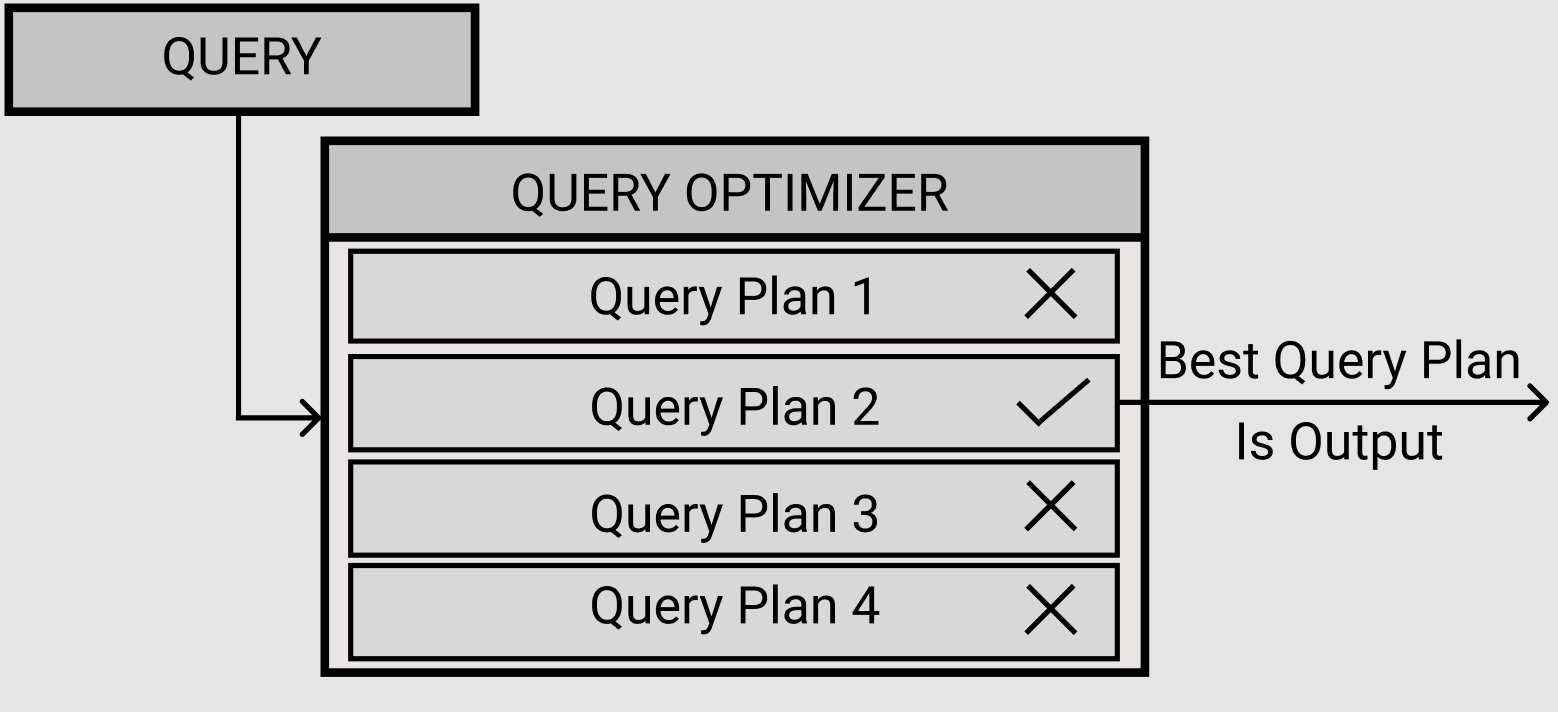
Models trained specifically for query planning may generate query plans faster than PostgreSQL, but speed alone is not enough. Accuracy and workload coverage must also be considered.
Before using one in production, evaluate model-running costs, stability, and operational overhead as well. Test results in one environment may not reflect real database workloads.
Why Slow Query Planning Becomes a Bottleneck
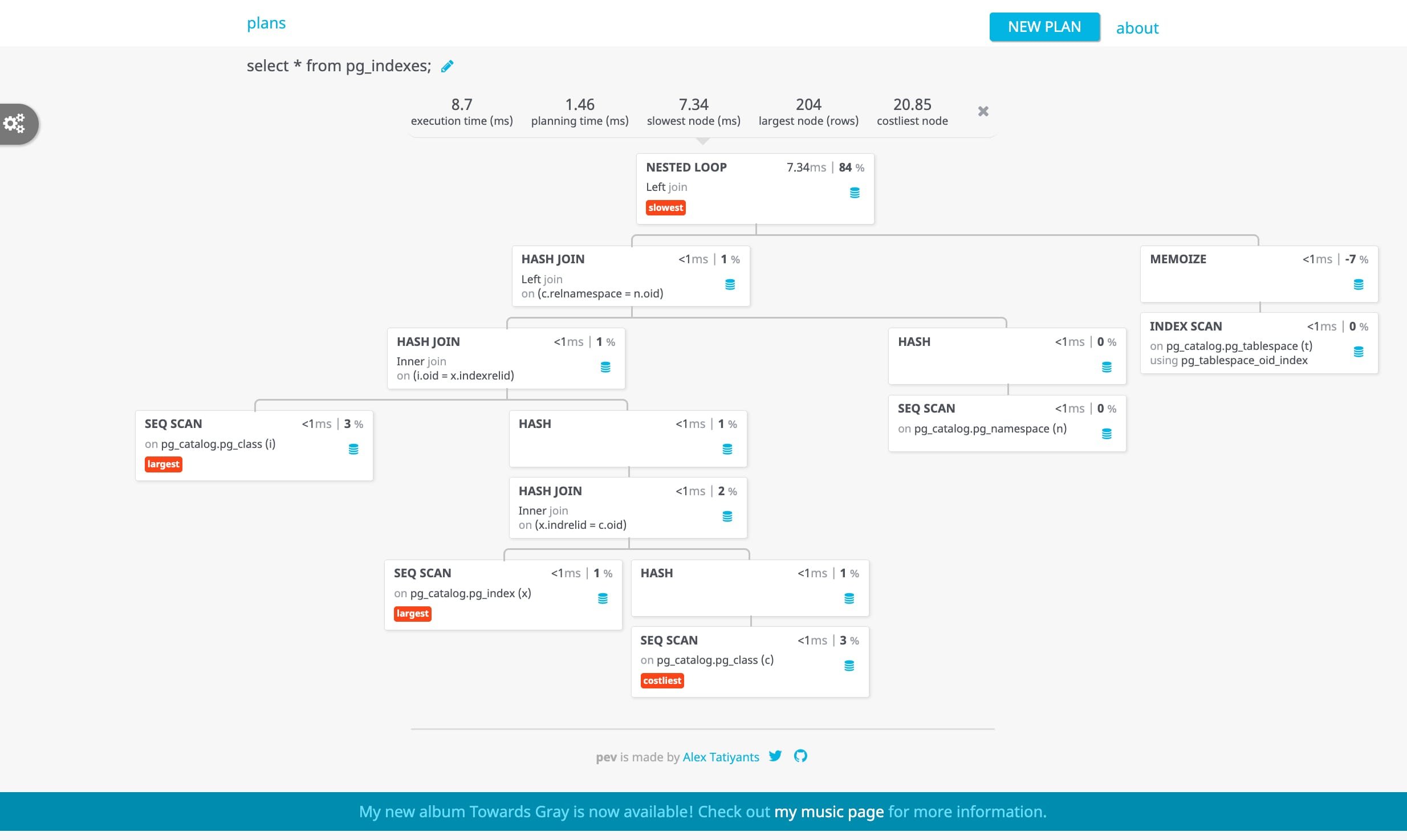
In the team’s work, complex queries began taking longer even after the database and hardware had been tuned. The slowdown therefore was not only in writing SQL, but also in choosing an execution plan suited to the data and query conditions.
If the wrong plan is selected, the database may read more data than necessary or use an execution order that does not fit the real situation. This means hardware improvements alone are not enough; query-planning methods must also be improved.
Where This Model Fits in the Overall Database System
This 4B model is a helper for generating query plans, suggesting ways for the system to choose more suitable methods of executing queries. It is not a new database and does not replace PostgreSQL as a whole.
Compared with a query optimizer, the model acts somewhat like an assistant that suggests plans. PostgreSQL remains responsible for storing data, validating correctness, and executing the actual commands. Performance-tuning tools are therefore still necessary for identifying problems and measuring the results after changing a plan.
From PostgreSQL to the 4B Model: What Has Changed?
PostgreSQL creates plans using database rules, tools, and statistics, while a specialized model learns query patterns to suggest plans better suited to each situation. However, the plans still need to be validated before being executed.
| Factor | PostgreSQL | Specialized trained model |
|---|---|---|
| Plan generation method | Uses the optimizer and system rules | Predicts plans from learned patterns |
| Use of database statistics | References statistics directly | May also use learned context |
| Response time | Predictable according to the system | May respond faster |
| Flexibility | Must be tuned to the structure | Can adapt to a wider range of query patterns |
| Risk of incorrect plans | Systematically verifiable | Riskier with queries outside the training data |
Under What Circumstances Does the 81% Improvement Occur?
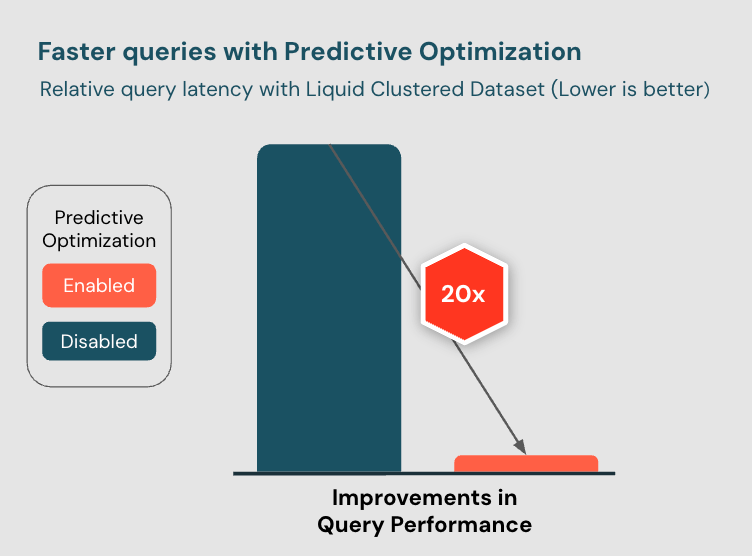
The 81% figure comes from testing on the Join Order Benchmark (JOB), 113 join-heavy queries over the IMDb dataset, measured as a geometric-mean speedup of roughly 1.81x when the model selects the best plan out of 15 candidates. The research does not specify which PostgreSQL version was used, so the result should be read as specific to that benchmark rather than a claim that holds for every real-world workload.
The flow is SQL → the 4B model helps select a plan → query plan → PostgreSQL executes it. Without complete experimental details, claims that it improves performance across every real-world workload should be avoided.
When the Feature Is Tested on Real Workloads
Queries involving multiple tables and complex joins have many possible plans. The model may help select a suitable plan more quickly, but the outcome depends on the table structure and data statistics.
If a workload has recurring patterns, the model can use those patterns to select plans more effectively. However, queries whose conditions change frequently may benefit less.
In analytics systems or dashboards, choosing an appropriate plan may reduce the time users wait to see results, especially for tasks that run repeatedly. However, the bottleneck may instead be the disk or data transfer.
Working with PostgreSQL makes it possible to continue using the existing database as the primary system while letting the model help only with query-plan selection. If a plan suggested by the model does not suit the real data, the system should always be able to fall back to PostgreSQL’s plan.

Comparing It with Options Database Teams Already Have
The 4B model is suited to workloads with recurring query patterns where reducing planning time is important. The standard optimizer is easy to install and reliable for general workloads. Manual tuning is appropriate for systems whose data behavior the team understands in detail, but it may be difficult to maintain as the data changes.
| Factor | 4B model | PostgreSQL optimizer | System-specific rules |
|---|---|---|---|
| Speed | Fast for repeated queries | Consistent | Fast when precisely tuned |
| Accuracy | Depends on training data | Generally reliable | Depends on maintenance |
| Cost | Requires additional resources | Uses existing components | Requires team time |
| Installation | More complex | Ready to use | Must be written and maintained |
| Workload | Repeated queries with clear patterns | Diverse workloads | Specialized systems |
Clear Advantages and Limitations to Accept
The 4B model may generate query plans quickly for workloads with recurring patterns, reduce the burden of manual tuning, and suit systems with clearly defined query patterns.
Pros
- +Generates query plans quickly
- +Suitable for workloads with recurring patterns
- +Reduces the burden of manual tuning
Cons
- −Training data may not cover every case
- −Depends on accurate schemas and statistics
- −Requires infrastructure resources
- −The reasoning behind a plan may be difficult to inspect
Real Costs Involve More Than Model Size
Costs do not end with GPU or server expenses. There are also costs for storing and transmitting schema data, as well as the time required to create training data and evaluation sets that cover real workloads.
In production, additional latency and monitoring for incorrect query plans must also be accounted for. When the model produces unsuitable results, the team still needs to maintain fallback systems and continuously investigate problems. Real costs therefore include infrastructure, data, and team time.
What This Article Should Verify Before Believing the 81% Figure
It is necessary to determine whether the test set is large and diverse enough to represent real workloads, as well as how “faster” is defined—whether it refers only to query-plan generation time or also includes actual execution time.
The accuracy of the results should also be checked. The comparison must clearly identify which PostgreSQL version was used, along with the hardware and configuration, in order to evaluate the figure fairly.
Conclusion: A Planning Accelerator or a New Layer of Database Complexity?
This 4B model is interesting as a specialized assistant for systems with large numbers of complex queries. The research reports that it generates query plans up to 81% faster than PostgreSQL, but this figure must be considered alongside accuracy, workload coverage, and model-running costs.
The next step should be to benchmark real workloads and then test in shadow mode, measuring speed, accuracy, and total cost to determine how much the model actually helps without adding more complexity than the benefits justify.