Mozilla has teamed up with Mistral to launch Firefox Smart Window, an AI assistant built directly into the Firefox browser. Its core pitch is making sense of complex searches, remembering pages you clicked away from, and pulling information from your open tabs to answer questions on the spot.
What sets this apart from a typical AI assistant is the privacy stance. Both companies say conversations aren’t saved on Mozilla’s servers by default, and partners like Mistral agree to zero data retention.
The catch is that Smart Window is only rolling out in France and North America for now, with the UK and Germany expected to follow later in 2026. I think the privacy commitment is genuinely interesting, but it remains to be seen whether that promise holds once the rollout widens.
TL;DR: Firefox Smart Window is an AI assistant where Mozilla runs Mistral’s models to summarize and search across your open tabs, without saving conversations on its servers by default. It’s launching first in France and North America, then expanding to the UK and Germany later this year.
When Web Searching Shouldn’t Come at the Cost of Personal Data
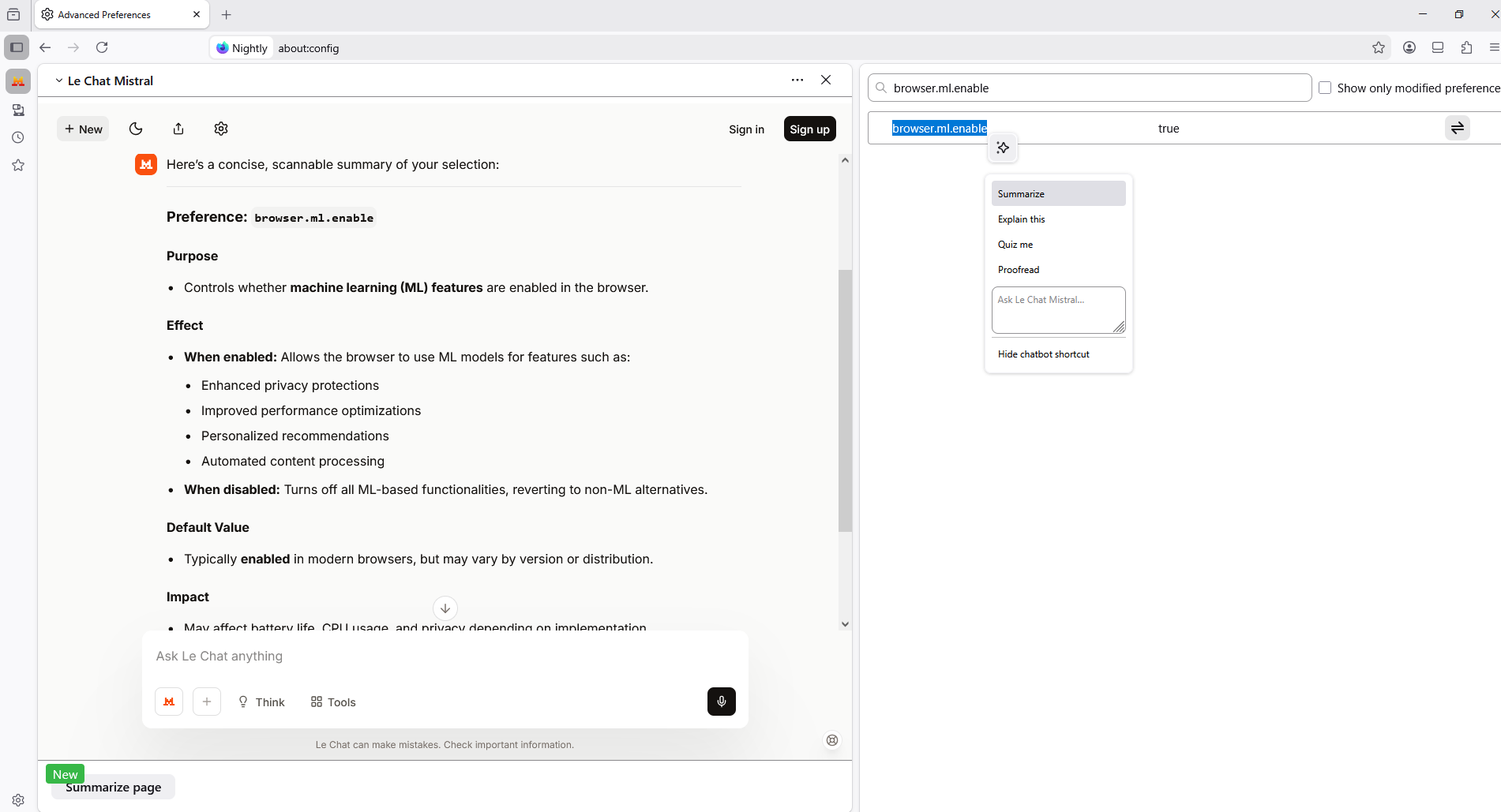
Normally, getting AI to summarize a webpage means copying its content into a separate chatbot, which means whatever is on your screen, emails, work documents, or search history, gets sent off your device without you checking every time what the destination keeps.
Firefox Smart Window instead puts the assistant in a sidebar inside the browser itself, and states plainly that conversations won’t be stored on Mozilla’s servers by default, with Mistral as a partner agreeing to zero data retention as well. That’s a meaningful difference from other browser AI assistants that rarely spell out their data-retention details this clearly.
The Problems That Make Us Want AI Beside the Browser Window
When researching the same topic across languages, we tend to leave a dozen tabs open and piece the main points together ourselves. The longer the pages or the more technical the documents, the more summarizing turns into a chore rather than something that saves time.
Another recurring pain point is that getting AI to help usually means opening a separate app and pasting content in every time. Mozilla built Firefox Smart Window to make sense of complex searches, remember pages you’ve clicked away from, and pull from tabs you already have open to keep answering questions, without switching windows.
Where Mistral X Mozilla Fits in the Worlds of Mistral and Mozilla
The partnership is built around four goals: open distribution of open-source technology to reach more people, fine-tuning models on regional languages and dialects with cultural context instead of one model answering every language the same way, giving users more control over their data by combining Firefox’s privacy track record with Mistral’s open models, and pushing sovereign AI that’s accessible to everyday consumers rather than just enterprises.
In short, Mistral supplies the language “brain,” while Mozilla embeds it into a browser people already use, instead of building a new app or browser from scratch.
From Traditional AI to More Private Web Browsing
| Factor | Traditional chatbots | Firefox Smart Window |
|---|---|---|
| Privacy | Sends context to the provider's own systems | Doesn't store conversations on servers by default |
| Multilingual support | Depends on the model | Fine-tuned for regional languages and dialects |
| Availability | Usually launches worldwide at once | Starts in France and North America first |
| Understanding webpage context | Requires copying content into a prompt | Reads and summarizes from open tabs |
| Limitations | May lose context when data is lengthy | Still limited by region and granted permissions |
The shift is in where the AI sits: from an assistant waiting in a separate app to one working alongside the page, backed by a written zero-data-retention commitment. In practice, though, privacy still comes down to the settings and permissions you actually grant the feature.
How It Helps in Everyday Life
When reading international news or multilingual documents, Smart Window speeds up understanding without switching apps, though proper names and sensitive political context are still worth checking against the source.
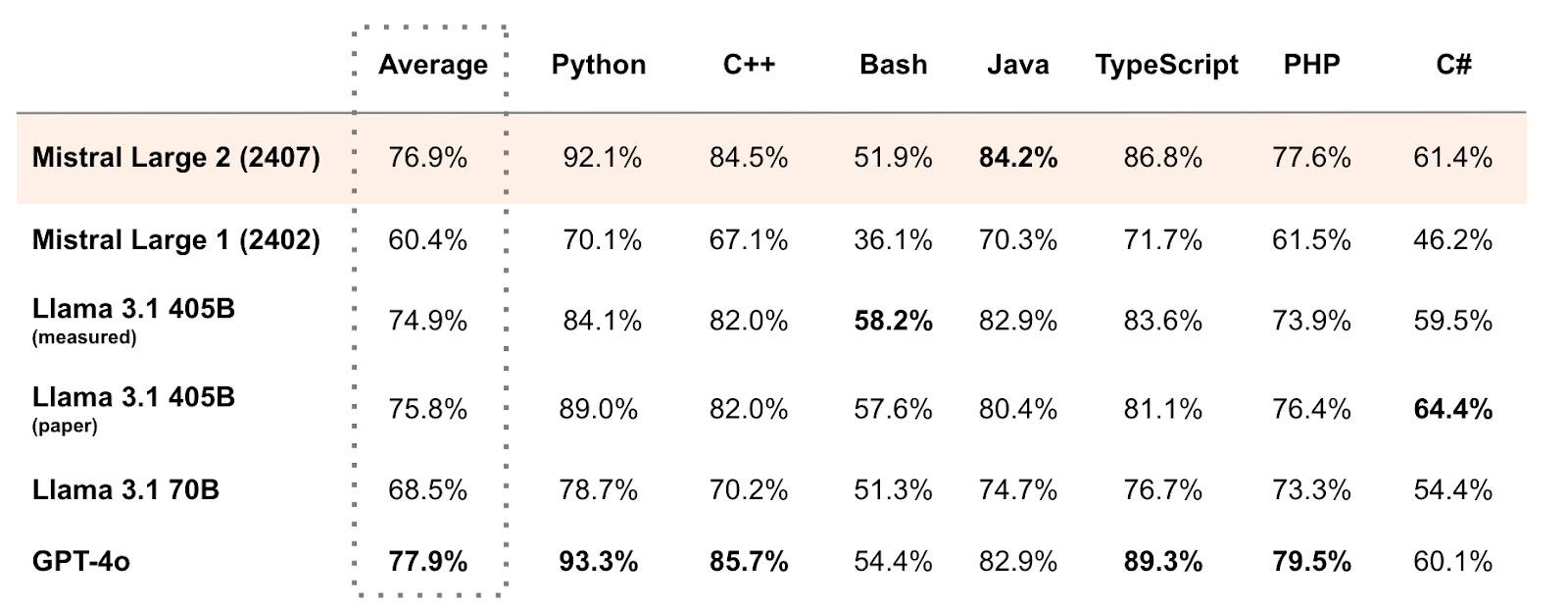
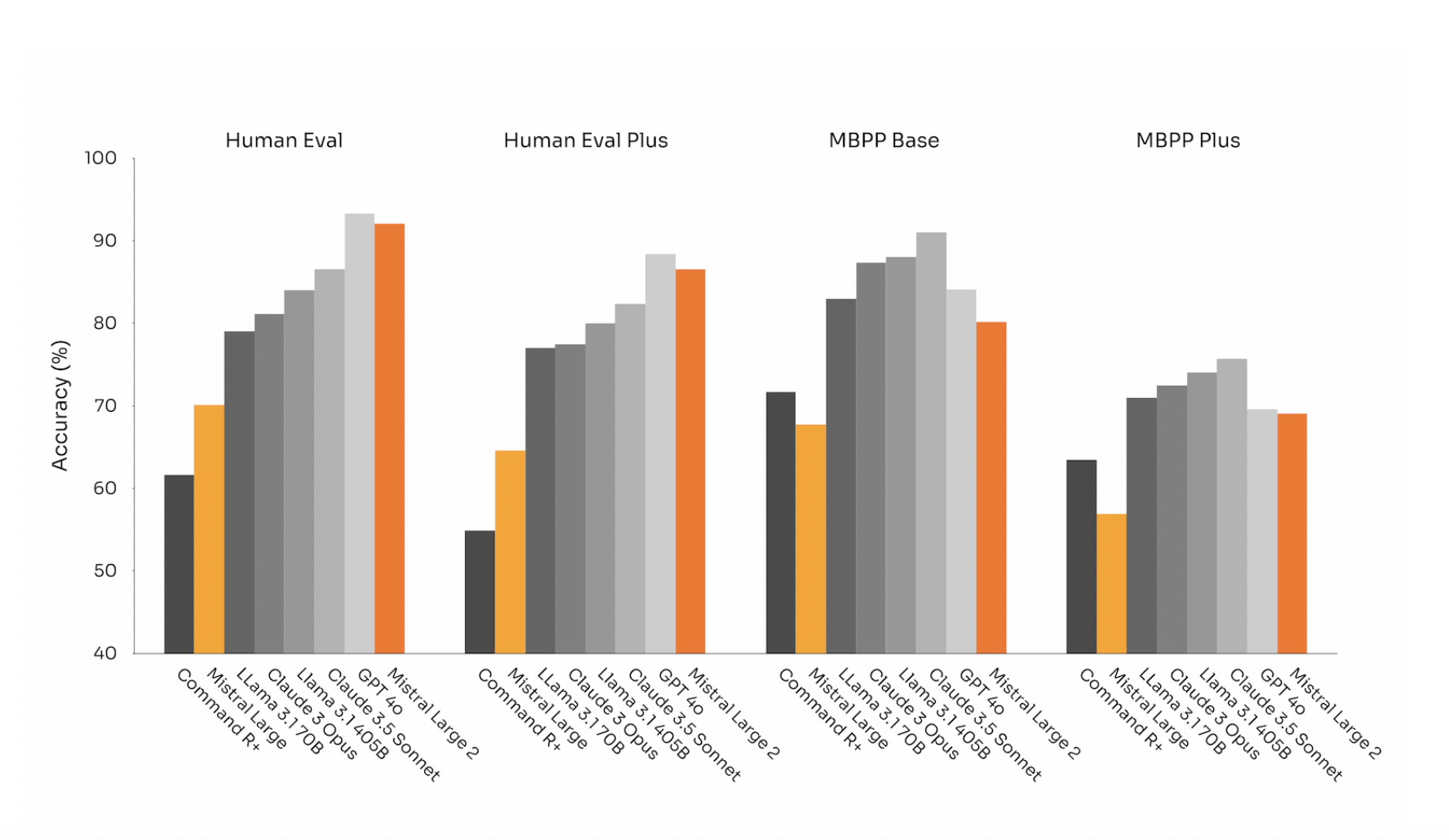
The model behind the feature is the Mistral Large family, whose latest coding and reasoning benchmarks sit close to Llama 3.1 405B and GPT-4o across several programming languages. Pairing that capability with access to your open tabs makes tasks like condensing long documents or tracking a topic across multiple pages genuinely faster, though summaries can still drift from context, so it’s worth checking back against the original source periodically.
What Do the Alternatives Offer, and What Do You Have to Give Up?
| Factor | Firefox Smart Window | AI in major browsers | Cloud-based AI assistants | Open-source tools |
|---|---|---|---|---|
| Multilingual support | Good | Good | Very good | Depends on the model |
| Speed | Good | Very good | Good | Depends on the device |
| Privacy | Stronger | Depends on the provider's policy | Requires sending data to the cloud | Highly controllable |
| Availability | Limited regions for now | Already widely available | Widely available | Requires manual setup |
| Answer reliability | Sources must be checked | Must be checked | Must be checked | Depends on the model and data |
Firefox Smart Window suits people who want a web assistant without sending data to the cloud every time. AI built into major browsers is usually easier to use and more responsive since it’s already available in more countries. Cloud AI assistants answer more broadly but require sending data elsewhere, and open-source tools give the most control in exchange for installing and maintaining them yourself.
Strengths That Make This Concept Worth Watching, and Concerns That Remain
Pros
- +Clear zero-data-retention commitment from both Mozilla and Mistral
- +Models fine-tuned for regional languages and dialects, not just literal translation
- +Works within the context of open tabs instead of requiring a copy-paste round trip
Cons
- −Only available in France and North America for now; other regions have to wait
- −Accuracy still needs to prove itself on complex sites or specialized information
- −Continuous processing may use more device resources than simply keeping tabs open
Overall, Firefox Smart Window stands out for stating its data policy clearly from day one, though it’s still only available in a couple of regions. Its answers still deserve verification, especially for important or fast-changing information.
Costs That Do Not Appear on the Sign-Up Page
Firefox Smart Window isn’t rolling out worldwide at once. The first wave is limited to France and North America, with the UK and Germany expected to follow later in 2026. Users outside those regions will have to wait, or lean on cloud AI assistants in the meantime.
Mozilla and Mistral haven’t announced separate pricing for the feature, since it’s positioned as part of Firefox rather than a new subscription. The real cost isn’t monetary, then, but the time spent double-checking answers, especially when the system replies in multiple languages or runs into fast-changing information online. Better privacy still comes with some trade-off in convenience.
How AI-Powered Web Browsing Might Change in the Future
Firefox Smart Window is worth watching because it states its data policy upfront while pushing the idea of sovereign AI accessible to everyday users, not just enterprises. If models fine-tuned for regional languages and dialects genuinely deliver, other browsers may have to spell out their own data policies just as clearly.
The bigger question from here isn’t only what the AI can do, but whether the zero-data-retention promise holds up the same way once the feature expands beyond France and North America.