
Analysis
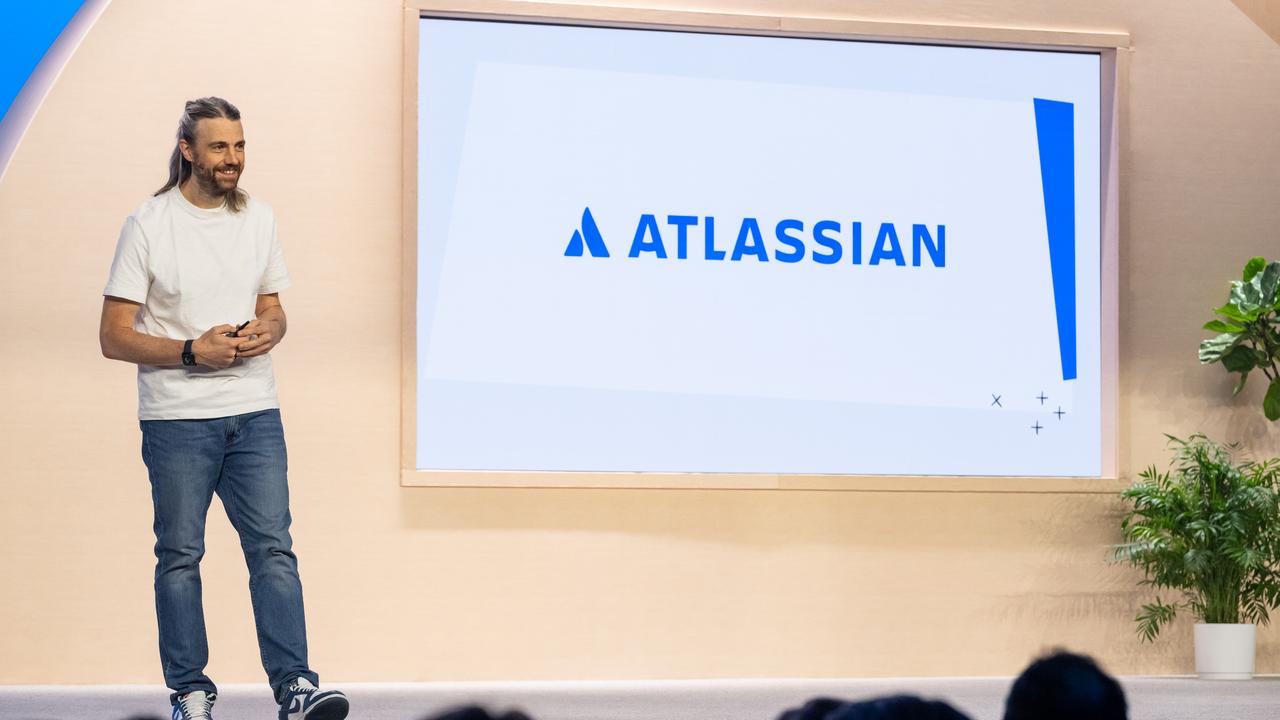
On The Verge’s Decoder podcast, in an episode titled “The SaaSpocalypse that wasn’t,” Atlassian co-founder and CEO Mike Cannon-Brookes addressed a fear spreading through the software industry: that AI agents would soon read and write enterprise data directly, making traditional software interfaces unnecessary.
He pushed back on that idea, pointing to Atlassian’s own usage data as evidence that AI agents are making customers use tools like Jira and Confluence more, not less.
Where the Term “SaaSpocalypse” Came From
“SaaSpocalypse” reflects a fear among investors and SaaS executives that AI agents capable of reading and writing directly to enterprise databases would eliminate the need for the software interfaces humans click through every day. Without anyone sitting in front of a screen, the argument goes, per-seat subscription pricing collapses too.
That anxiety rattled enterprise software stocks earlier this year, as markets worried that tools like Jira, Confluence, or Salesforce could be reduced to databases managed entirely by agents, with no one opening the apps themselves.
Cannon-Brookes’ Response: “Headless Is Brainless”
Cannon-Brookes used the phrase “headless is brainless” to argue against stripping software down to a backend that agents operate alone. He believes people still need to see the full picture, review work, and make decisions together — something a well-designed interface and workflow does better than an agent working silently in the background by itself.
In his view, AI agents should work alongside existing systems as assistants, not replace them entirely.

The Evidence Atlassian Points To
To back up his argument, Cannon-Brookes cited Atlassian’s own usage data: customers who connect through Atlassian’s MCP servers and CLIs grow their annual recurring revenue (ARR) twice as fast as those who don’t. More notably, over 98% of customers using MCP servers still come back to use the regular Jira and Confluence interface — they haven’t abandoned it.
That statistic is the core of his rebuttal to the SaaSpocalypse narrative: it suggests AI agents are speeding up existing work rather than replacing the software altogether.
From Selling Separate Tools to a Platform That Combines Work and AI
Atlassian positions itself as a provider of collaboration tools, with Jira for tracking work, Confluence for storing knowledge, and Loom for video communication. Its strategy isn’t to sell each app separately, but to connect them into one workflow from idea to delivery, then let AI agents accelerate each step without removing people from the equation.
| Factor | Traditional software | Atlassian's approach, per Cannon-Brookes |
|---|---|---|
| Role of AI agents | Replace the interface and the user | Work alongside the existing interface |
| How success is measured | Number of features | Speed of ARR growth |
| Data access | Agents read/write data directly in the background | Agents work through MCP/CLI, users still return to the interface |
| Risk to SaaS businesses | Loses its reason to have an interface at all | The interface stays necessary for shared decision-making |
If Not Atlassian, What Would Companies Choose Instead?
If the main challenge is collaboration between development and business teams, Atlassian stands out for its deep workflows and its ability to connect the two. Companies that already have established systems, though, may prefer tools that fit more naturally into their existing ecosystem.
| Factor | Atlassian | Microsoft 365 and Copilot | ServiceNow |
|---|---|---|---|
| Customer segment | Development teams and cross-functional organizations | Organizations already using Microsoft | Large organizations focused on IT and service operations |
| Workflow depth | Deep and adaptable to teams | Broad, but distributed across apps | Deep in IT and service operations |
| Approach to AI agents | Opens MCP/CLI for agents to work alongside the interface | Ties Copilot into Microsoft apps | Uses agents to automate service requests |
| Best suited for | Collaborative product teams | Organizations centered on Microsoft | Large organizations with clearly defined service processes |
Strengths and Risks of This Argument
The strength of Cannon-Brookes’ position is that it’s backed by real usage data rather than speculation, and it reflects a deliberate choice to open MCP/CLI access officially rather than risk outside agents working around Atlassian’s systems entirely.
The risk is that the data he cites comes from Atlassian’s own customers. It remains unclear whether the same behavior holds across other enterprise software vendors, and as agents grow more capable, pressure to strip away the interface could return.
Pros
- +Backed by real ARR and MCP usage data, not just speculation
- +Officially opens MCP/CLI access for agents to work through
- +Still prioritizes shared, human decision-making
Cons
- −Relies mainly on Atlassian's own customer data
- −Unclear whether the trend holds as agents get more capable

Customers Aren’t Abandoning Software; They’re Becoming More Selective
The subscription price is just the starting point. There are also data migration costs, employee training, and the time needed to adapt workflows to a new system. With AI agents now a factor in the decision, customers are asking for proof of real-world usage rather than just promises about AI features.
Conclusion: What the SaaSpocalypse That Wasn’t Tells Us
This interview doesn’t prove AI agents will never replace enterprise software. It shows that, for now, there’s no evidence that’s happening at Atlassian. The question worth watching is how long ARR growth from MCP users will keep justifying the interface as agents keep getting smarter and gain broader access to enterprise data.