TL;DR
The DJI Osmo Pocket 4 comes back strong in 2026 with a new 1-inch sensor that delivers noticeably better image quality, a silky-smooth 3-axis gimbal, and enough battery life to actually get through a full shoot. It’s built for content creators who travel light or need to vlog in tight spaces.
At ฿32,900 (~$940 USD), it costs nearly double most competitors — but you’re getting professional-grade quality in a pocketable body: 4K 120fps, smooth as hell, with a flexible color grading pipeline.
I think it’s worth it for anyone creating content professionally or with a solid budget. If you’re just starting out, though, that price tag buys you an entry-level mirrorless with room to spare.
Product Overview
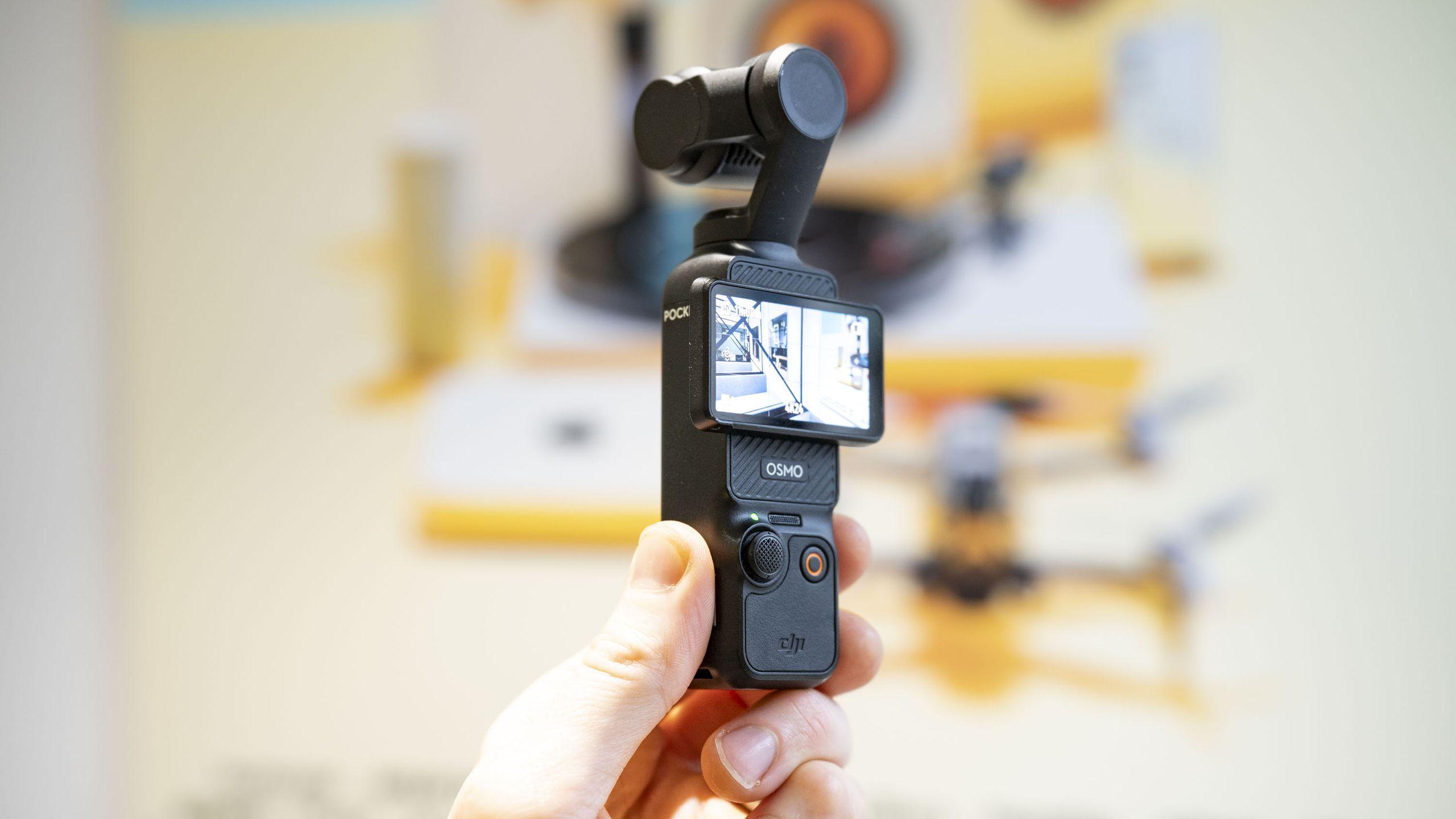
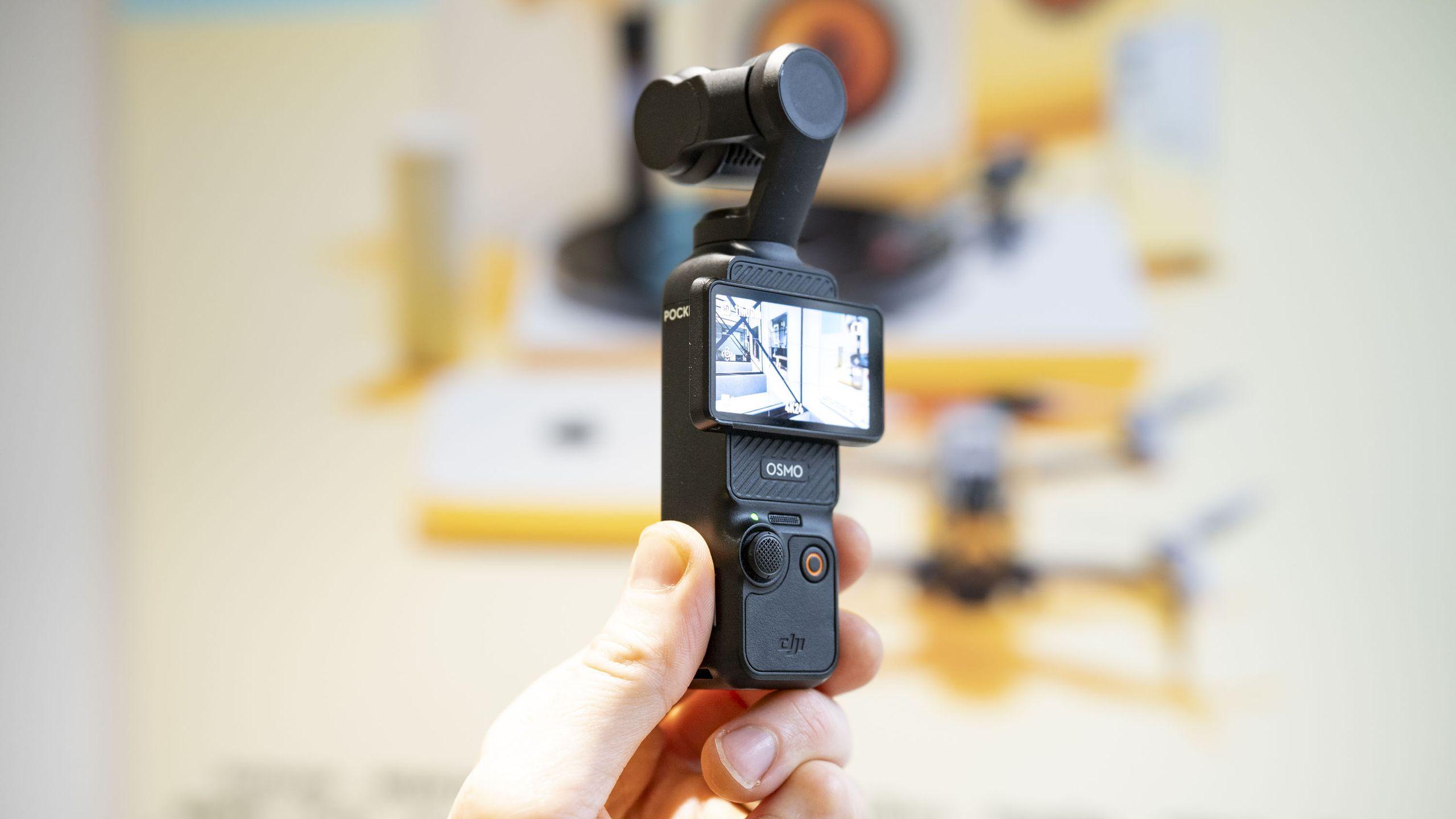
The body is compact and light — smartphone-sized, but performs like a professional camera. That’s exactly what makes it a favorite among Thai content creators.
The standout detail is the 3-inch touchscreen that rotates 180°, making selfies and vlogging genuinely comfortable. The small control stick is responsive and smooth.
The design this time is cleaner than before, especially in midnight black — it pairs well with the rest of a creator kit. That said, it can get slippery without a case.
When a Phone Isn’t Enough, But a DSLR Is Too Much
The problem many content creators run into: an iPhone with a 48MP sensor still struggles in low light — particularly when shooting restaurant reviews or lifestyle content in the evening. Phone audio is another weak point.
A DSLR gives you the quality, but lugging it around all day kills your arms. Shooting outdoor content from morning to night isn’t sustainable with full camera kit.
That’s the gap Osmo Pocket 4 fills — small and portable, but image quality close to a large camera, with 3-axis stabilization that makes handheld footage look clean.
Where It Sits in the DJI Lineup
The Osmo Pocket 4 is DJI’s flagship handheld camera, positioned between the Action series (durability-focused) and the Ronin series (full-size professional stabilizers).
DJI slots Osmo Pocket as the middle tier — high quality, still portable. It’s different from the Action 4, which prioritizes waterproofing and heavy-duty use, or the Ronin 4D, a full-size cinema camera.
In the 2026 lineup, DJI is pushing Osmo Pocket 4 as the primary content creator camera — versatile enough for vlogs, reviews, travel, and small commercial shoots.
The positioning makes sense. Most Thai creators want a camera that does everything without being complicated.
Comparison vs. Previous Generation
| Factor | Osmo Pocket 3 | Osmo Pocket 4 |
|---|---|---|
| Sensor | 1-inch CMOS | New 1-inch CMOS |
| Video | 4K/120p | 6K/60p, 4K/240p |
| Battery | 875 mAh | 1,560 mAh |
| Weight | 116g | 179g |
| Launch price | ฿24,900 (~$710) | ฿32,900 (~$940) |
The headline upgrades: the new sensor delivers 2.5 stops more dynamic range, and the battery nearly doubles — 140 minutes vs. 73 minutes.
New features worth noting: ActiveTrack 6.0 with more accurate subject tracking, and 8K Hyperlapse mode for high-quality time-lapses.
I think the upgrade is worth it if your budget is under ฿35,000 (~$1,000) — the battery improvement alone changes how you can shoot. If you’re already on Pocket 3, waiting for a price drop is reasonable.
Key Features in Real-World Use
The new 1-inch sensor handles low-light shooting in cafés and restaurants without needing a fill light. ActiveTrack 6.0 keeps up with walking subjects — solid for city vlogging.
D-Log M mode opens up the dynamic range nicely, preserving shadow and highlight detail. Run it through DaVinci Resolve before posting to YouTube and the color is genuinely impressive.
8K Hyperlapse produces high-quality time-lapses — sunsets and city traffic come out sharp and cinematic. That feature is especially useful for travel creators who want standout content.
At 179g, it’s light enough that you won’t notice it after hours of shooting. That matters when you’re moving constantly.
Head-to-Head vs. Competitors
| Factor | DJI Osmo Pocket 4 | Insta360 GO 4 | Sony FX30 |
|---|---|---|---|
| Price | ฿45,900 (~$1,310) | ฿12,900 (~$370) | ฿89,900 (~$2,570) |
| Weight | 179g | 38g | 646g |
| Resolution | 8K/30fps | 2.7K/30fps | 4K/120fps |
| Gimbal | 3-axis | None | None |
| Battery | 140 min | 45 min | 95 min |
The Osmo Pocket 4 sits in the middle on both price and size — and it’s the only one in this comparison that gives you both a built-in gimbal and 8K resolution.
The Insta360 GO 4 is much smaller, great for fast-and-loose vlogging, but no gimbal means shakier footage. The Sony FX30 tops out on resolution but it’s too big for run-and-gun work.
For Thai creators who need both quality and convenience, Osmo Pocket 4 has the best balance.
Pros & Cons
Pros
- +3-axis gimbal is exceptionally smooth — ideal for handheld shooting
- +Pocketable form factor — fits in a pants pocket
- +8K quality competes with larger pro cameras
- +ActiveTrack subject tracking works well for solo creators
Cons
- −Small screen makes framing difficult — you'll want a phone connected
- −Battery only lasts 1–2 hours — bring a spare or power bank
- −No viewfinder — hard to see outdoors in bright sun
- −Expensive compared to action cameras
For Thai creators doing travel content or street work, the trade-offs are clear. Portability is the main strength.
If the budget allows, most of the cons are solvable with accessories — an external monitor, a compact power bank. Getting this quality at this size is genuinely rare.
Hidden Costs
The body price is just the starting point. A fast 128GB memory card adds ฿2,000 ($57). A decent protective case runs ฿1,500 ($43). A vlog-ready handle grip is another ฿3,000 (~$86).
A compact power bank adds ฿2,500 ($71) — the battery is small and will run out mid-shoot if you’re not prepared. Full kit adds ฿8,000–10,000 ($230–290) on top of the body.
Budget for the total cost from day one. If you’re tight on cash, start with the memory card and case. Handle and power bank can wait. Just know that official DJI accessories cost noticeably more than third-party equivalents.
Who Should Buy It
Buy it if: You’re a content creator who needs sharp footage but travels light — travel bloggers, YouTubers who want built-in gimbal stabilization, solo creators. At ฿45,000 (~$1,290) all-in, it pays off if you shoot regularly and need professional stabilization.
Skip it if: Your total budget is under ฿55,000 (~$1,570) including accessories, or you’re a casual shooter who only picks up a camera a few times a year. Your current phone camera is probably enough. If you’re not creating content professionally, this investment is probably too steep.
Be honest with yourself about how often you’ll actually use it. It’s small, but it still needs care like any camera. Leave it sitting in a drawer and it’ll deteriorate.
Final Take
The DJI Osmo Pocket 4 is legitimately the best pocket camera in 2026 — but whether it’s worth it depends entirely on how you use it. For content creators who shoot consistently, have a following, and want maximum portability, a ฿55,000 (~$1,570) all-in investment is justified.
For casual users who just want to experiment with better video — rent one first. At 179g it feels light, but you need to develop the habit of keeping the gimbal steady.
I’d think hard before buying. The tech here — at this spec level — should stay relevant for at least 3–4 years. If you’re sure you’ll actually use it, it’s a solid long-term investment.