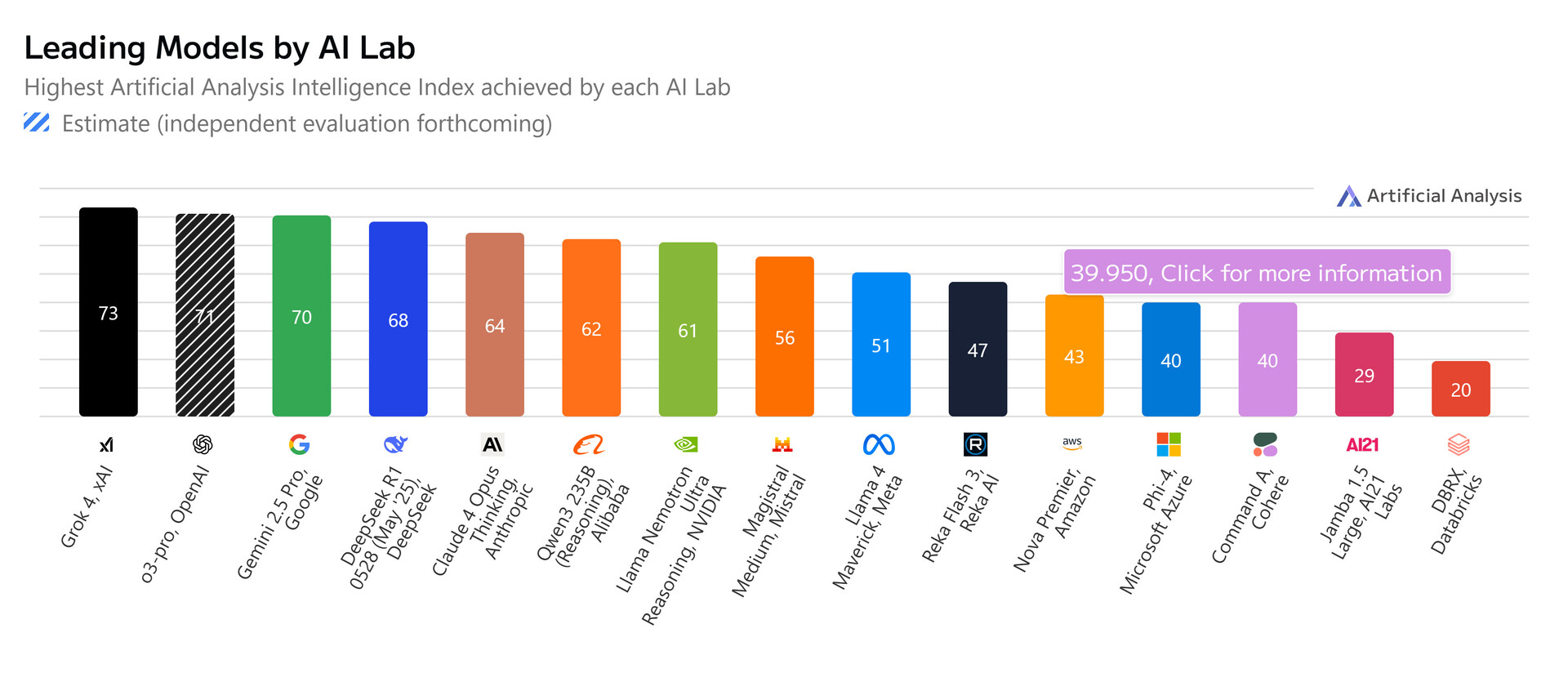
Anthropic has the model widely considered the smartest in the Claude lineup, but actual corporate spending tells a different story. Data from Ramp, which tracks spending across more than 70,000 companies’ corporate cards, shows that Claude Fable 5, Anthropic’s flagship model, still accounts for only about 11% of all corporate spending on Anthropic models.
The main reason is price. When older models or cheaper competitors handle everyday work well enough, many companies see no urgency to pay a premium for the very best available.
Fable 5 is the smartest Claude model, but its spending share is still small
Fable 5 is positioned as Anthropic’s flagship, built for complex reasoning, long-document analysis, and multi-step coding tasks. But its higher price compared with other models in the same family means many companies still lean on Opus 4.8 or Sonnet 4.6, which cost less and cover most of the same work.
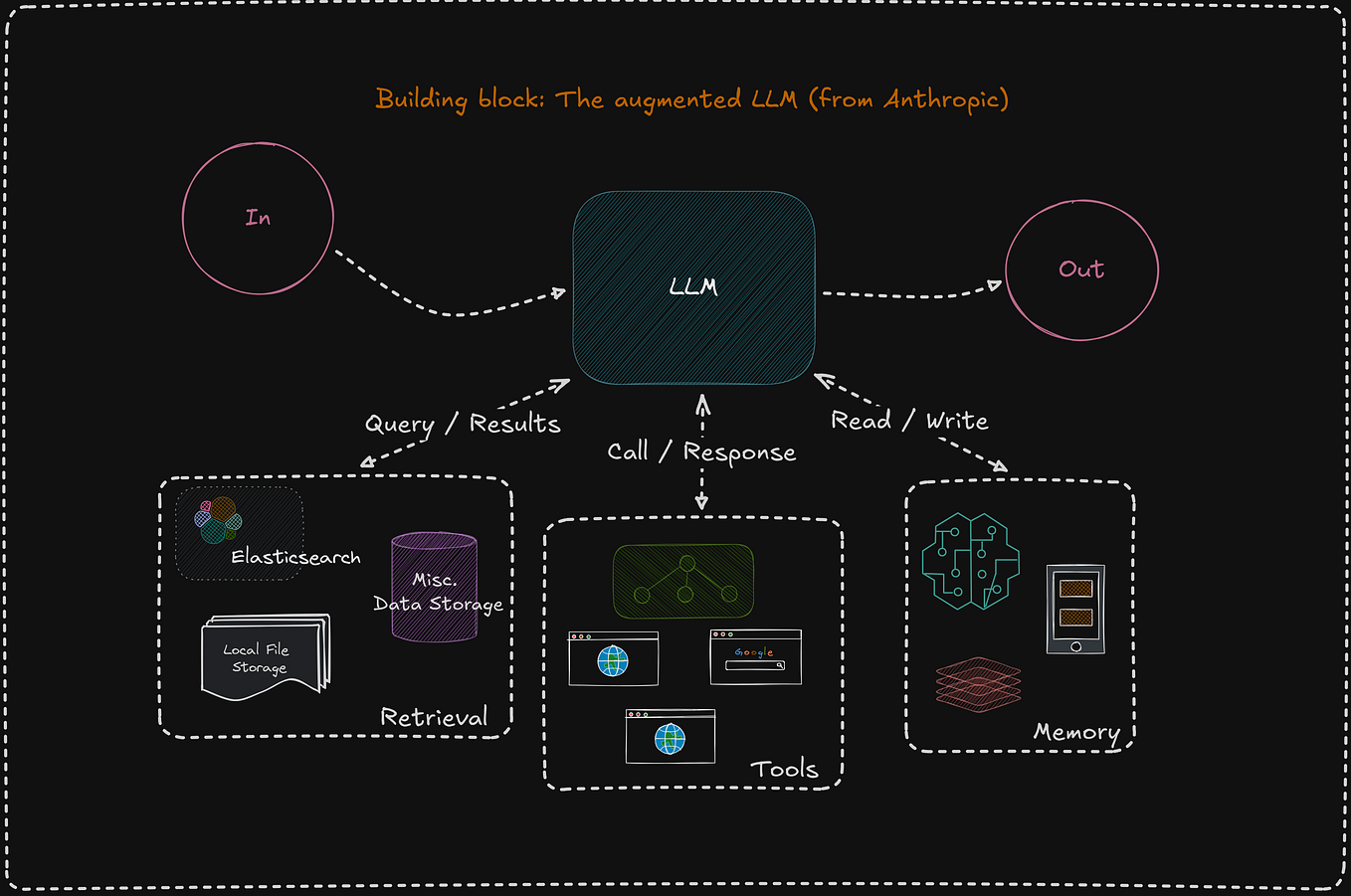
This should be read as a picture of a premium player that is genuinely capable, but still has to prove that its extra capability is worth the extra price in the eyes of enterprise buyers.
Opus 5 launched July 24 and overtook it faster than expected
Anthropic launched Claude Opus 5 on July 24, 2026, priced clearly lower than Fable 5. According to the Financial Times, Opus 5’s share of spending in the Ramp Index overtook Fable 5’s within a short time of launch.
This shows enterprise buyer behavior clearly: once a cheaper option with adequate quality shows up, companies switch right away instead of waiting to see if the flagship’s extra capability pays off.
Revenue is growing fast, but still trailing investor expectations
Anthropic’s annualized revenue climbed to $65 billion in July 2026, up from $47 billion in May — a very fast pace of growth over just a couple of months.
But that figure still falls short of what some investors had expected, which was for revenue to top $80 billion. That gap between actual growth and expectations is what’s fueling questions about whether a pricey flagship model is still the right strategy, even though Anthropic still has more than 6,000 enterprise customers paying over $100,000 a year — a solid enterprise customer base.
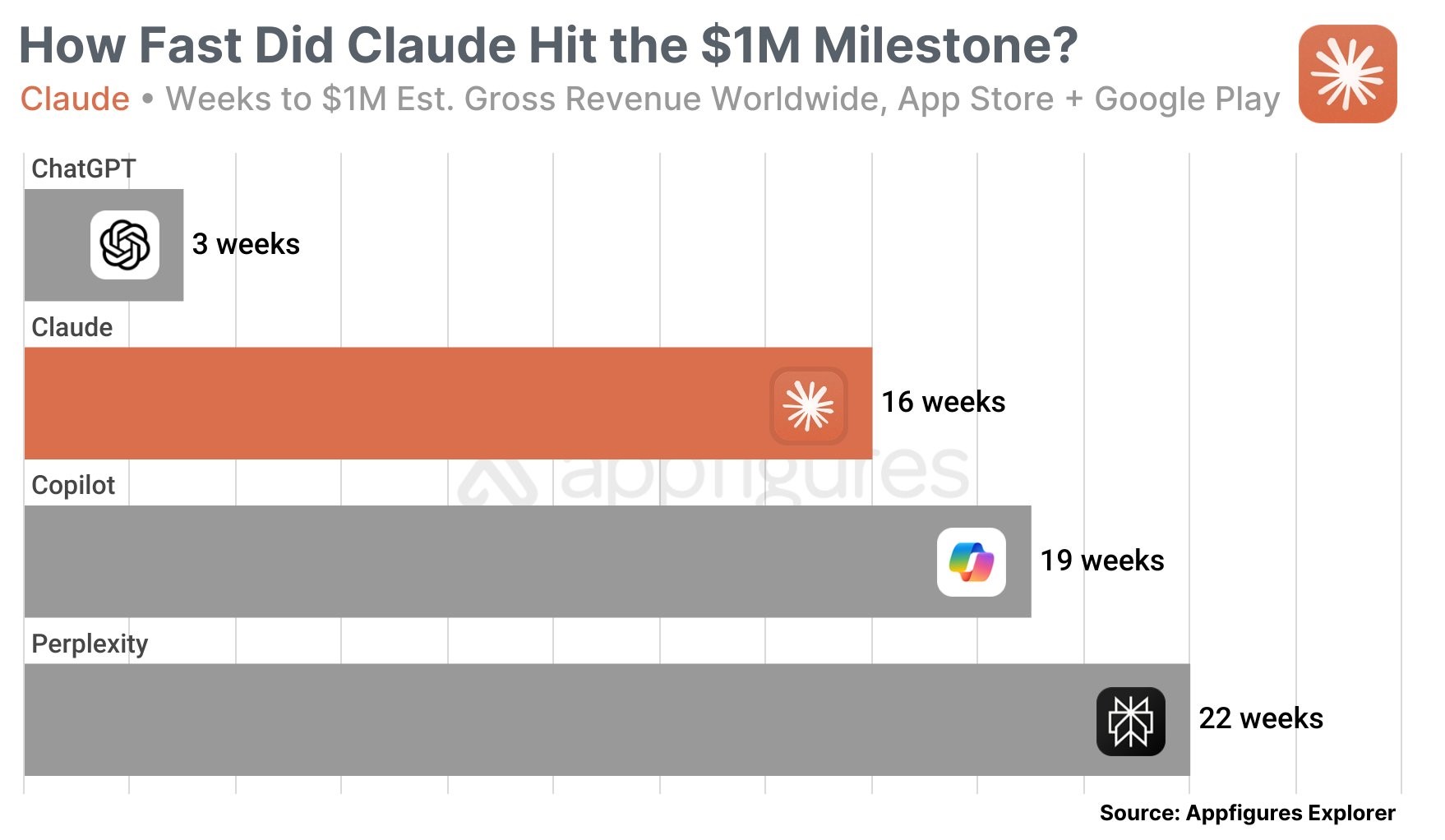
Data from Appfigures Explorer in this chart tells a similar story. The Claude app took 16 weeks to reach $1 million in revenue on mobile app stores — faster than Copilot (19 weeks) and Perplexity (22 weeks), but still slower than ChatGPT, which took only 3 weeks. That suggests consumers, too, warmed up to Claude more slowly than to its biggest rival.
Competitors aren’t standing still: GPT-5.6 and cheap Chinese models
That same July, OpenAI launched GPT-5.6 priced clearly below Fable 5, and OpenAI’s annualized revenue jumped past $40 billion, up roughly 35% in a single quarter following the launch.
Chinese players are also offering cheaper, more versatile models, adding further pressure on Anthropic to compete on price as well as quality — not just on benchmark scores.
An investor’s take: “most people don’t need cutting-edge technology”
Miles Clements, a partner at Accel — a venture firm that has put nearly $1 billion into Anthropic — put it bluntly: “Most people don’t need to use cutting-edge technology.”
That comment matches exactly what the Ramp data shows. Most work at most companies doesn’t call for the smartest model on the market — it calls for a model that handles everyday tasks at a price the business is willing to pay.
How Fable 5, Opus 5, and GPT-5.6 compare
| Factor | Claude Fable 5 | Claude Opus 5 | GPT-5.6 |
|---|---|---|---|
| Market position | Anthropic's smartest flagship model | Cheaper option in the same family | OpenAI's main competing model |
| Launch date | Before Opus 5 | July 24, 2026 | July 2026 |
| Price vs. Fable 5 | Reference point (most expensive) | Cheaper | Clearly cheaper |
| Ramp Index spending share (Jul 2026) | About 11% of Anthropic spending | Overtook Fable 5 shortly after launch | Not tracked in the Ramp Index (different platform) |
| Annualized revenue after launch | No model-specific figure available | No model-specific figure available | Over $40B, up 35% in one quarter |
The table shows a clear trend: the cheaper, later-launched model gained traction faster than the flagship built to be the smartest.
How it compares with ChatGPT, Gemini, and open source
| Factor | Anthropic | ChatGPT | Gemini | Open source |
|---|---|---|---|---|
| Real-world quality | Strong at writing and analysis | Balanced across many tasks | Strong at information retrieval | Depends on the model and configuration |
| Price and quota | Higher-tier plans require a larger budget | Several options available | Suitable for Google service users | Cost-effective when self-hosted |
| Files and tools | Good for documents and code | Wide range of tools | Easy integration with Google services | Requires setting everything up yourself |
| Accessibility | Easy to use, but quota depends on the plan | Easy to get started | Easy to get started | Best suited to developers |
General users tend to pick ChatGPT or Gemini for better overall value, while developers who want to control their own stack may prefer open source.
Why Fable 5 still earns its price for the most demanding work
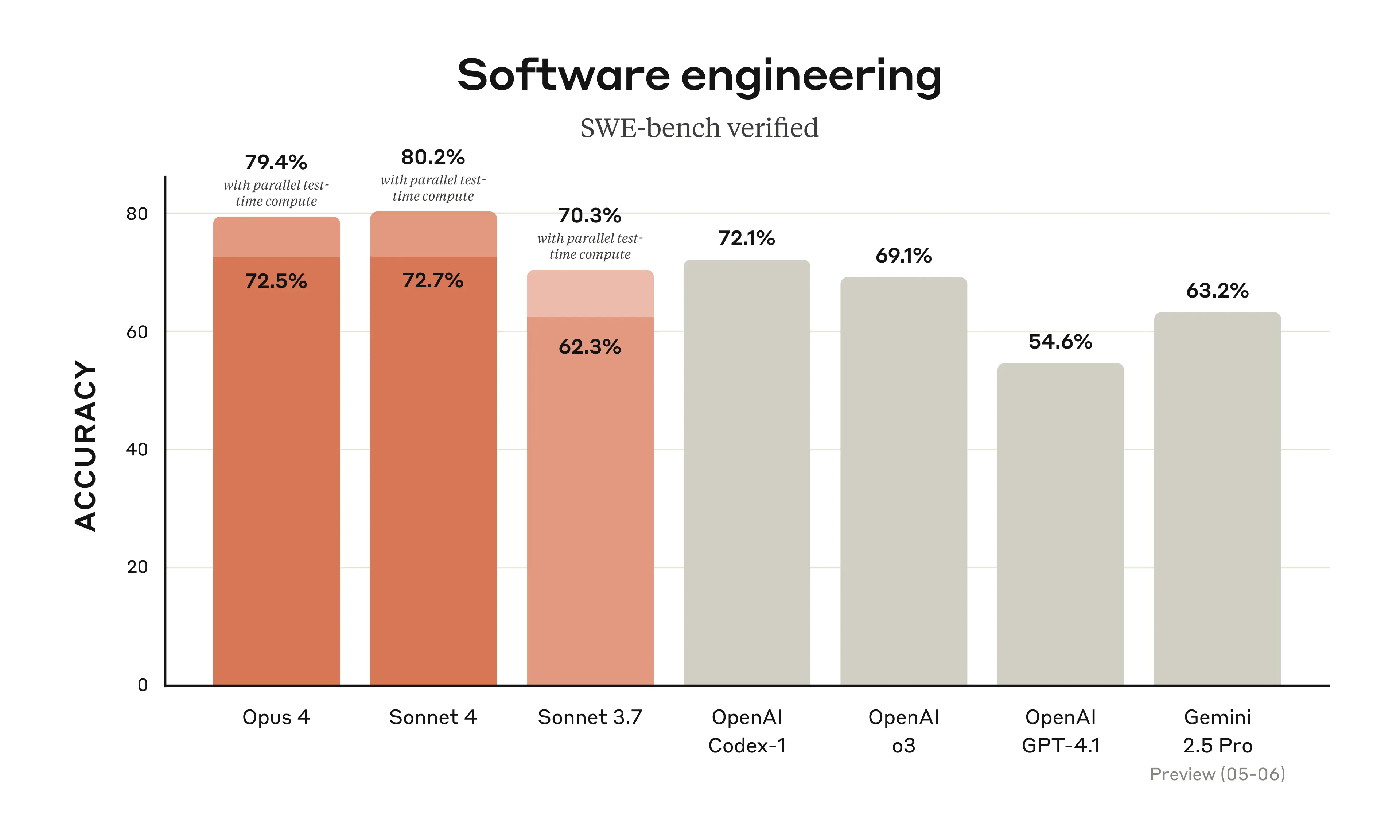
Results like the SWE-bench Verified scores shown here are part of why the Claude family has a reputation for accuracy on analysis and code work that requires holding context over long stretches. Teams that need to ship high-quality work and cut down on revision cycles still see value in Fable 5, even at a higher price than the rest of the lineup.
Pros
- +Accurate on complex analysis and coding tasks
- +Holds context well across long documents and multi-step work
Cons
- −Noticeably more expensive than other models in the same family
- −Everyday tasks may show little difference versus cheaper options
Price is the biggest weakness in enterprise buyers’ eyes
Fable 5’s biggest weakness is its price. The 11% figure from the Ramp Index says plainly that most enterprise customers aren’t ready to pay more for the absolute best, especially when the cheaper Opus 5 covers most of the same ground.
The arrival of GPT-5.6 and low-cost Chinese models only gives companies more alternatives, adding pressure on Anthropic to rethink how it prices its flagship.
Pros
- +Well suited to work that demands top-tier accuracy
- +Handles complex, multi-step tasks well
Cons
- −Enterprise spending share is far lower than expected
- −Cheaper competitors are taking share quickly
Who should pay to use Fable 5
Made for
- Software developers who need to analyze complex code and solve multi-step problems
- Analysts, professional writers, and teams working with large volumes of documents
Think twice
- Small teams that need to weigh the cost against actual workload before upgrading from Opus 5
Skip this one
- Companies whose work is mostly everyday tasks — Opus 5 or a cheaper model is enough
The bottom line: being the smartest model doesn’t guarantee winning the market
The Ramp Index numbers make it clear: Fable 5 isn’t the top choice for enterprise customers yet, even as the smartest model in the Claude lineup. Anthropic’s overall revenue is still growing fast, but it’s trailing investor expectations, while Opus 5, GPT-5.6, and cheap Chinese models keep chipping away at its share.
The 2026 AI market is no longer just about who tops the benchmarks. It’s about which model delivers value that matches what a company actually has to pay every month.