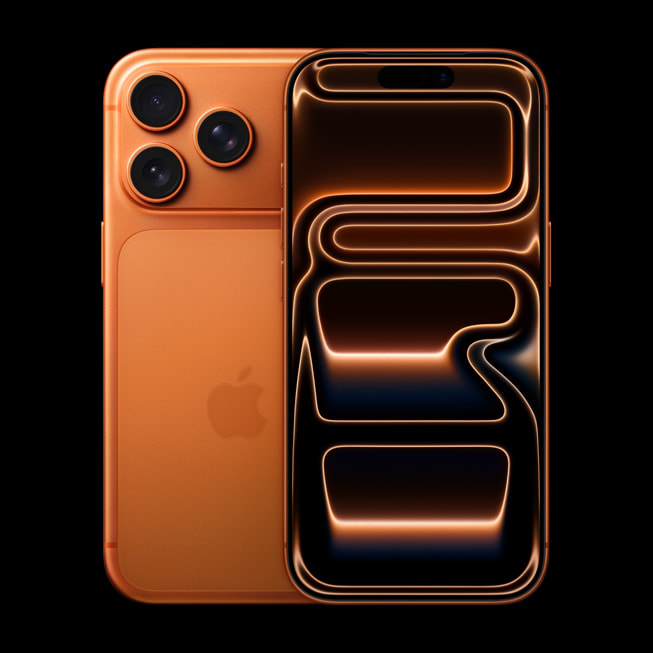
TL;DR
iPhone 17 Pro Max is Apple’s top-of-the-line for 2026 — 6.9” OLED at 120Hz and 3000 nits (legible in direct sun), A19 Pro (3nm) fast enough to cut 4K ProRes on-device without breaking a sweat, 48MP main camera with sensor-shift OIS that holds up in near-dark conditions.
At 233g it’s lighter than its predecessor, which matters when you’re shooting handheld all day. Expensive, yes — but if your phone is a work tool, it earns its price.
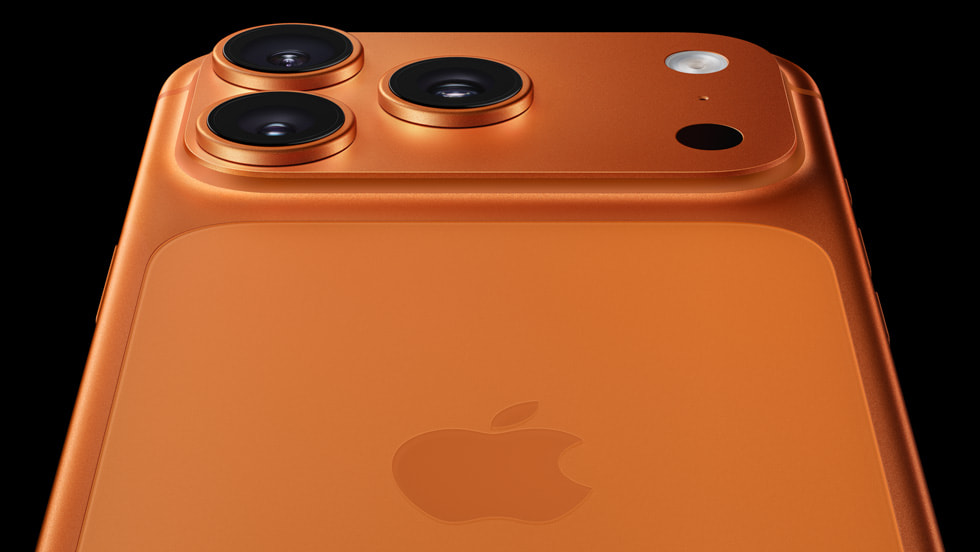
Design & Build
163.4 × 78 × 8.8 mm, 233g — down from 238g on the 16 Pro Max. Five grams sounds trivial until you swap between them and feel the difference. Ceramic Shield 2 front glass is more shatter-resistant than last year; the alloy frame is solid without feeling overbuilt.
Back finish comes in glass (premium look) or aluminum (durability-first). Both feel intentional. The overall design is clean and understated — the phone doesn’t announce itself.
Why It’s Interesting
If you’ve ever shot a sunset on an older iPhone and ended up with a noisy mess, that’s exactly what the 17 Pro Max targets. The 48MP f/1.8 sensor at 1/1.28” picks up significantly more light — low-light shots are usable without flash.
The 6.9” OLED at 120Hz and 3000 nits means 4K video playback is color-accurate regardless of ambient light. For anyone shooting or editing content on-device, this display paired with the A19 Pro is the whole pitch.
Where It Sits in the iPhone Lineup
Largest, fastest, most expensive iPhone Apple ships this year. The key differences from the standard Pro: 6.9” vs 6.3” display, and a better telephoto sensor.
Honestly, 90% of users are well-served by the 6.3” Pro — single-handed, no bulk. Max is for people who want the bigger canvas, shoot telephoto frequently, or just want Apple’s ceiling without compromise. It’s a deliberate choice, not the obvious default.
vs. Last Year
| Factor | iPhone 16 Pro Max | iPhone 17 Pro Max |
|---|---|---|
| Chip | A18 Pro (3nm) | A19 Pro (3nm) |
| Display | 6.9", 120Hz | 6.9", 120Hz |
| Main Camera | 48MP f/1.8 | 48MP f/1.8 |
| RAM | 12GB | 12GB |
| Weight | 238g | 233g |
| Peak Brightness | 2000 nits | 3000 nits |
The spec sheet looks incremental — and it is. The A19 Pro is faster, but the A18 Pro was already well past the performance ceiling for most tasks. The real wins are the display (2000 → 3000 nits is a genuine outdoor usability jump) and the 5g weight reduction, which adds up over a full day of shooting.
Does It Fix the 16 Pro Max Pain Points?
I’ve been running the 16 Pro Max since launch. Here’s what the community complained about — and whether 17 Pro Max actually addresses it:
✅ 238g causes wrist fatigue during long shoots — fixed Twenty minutes of handheld shooting and my wrist would start to feel it. The 17 Pro Max at 233g is lighter, and the weight distribution from the body redesign feels more balanced.
✅ Display too dim in Thai midday sun — fixed At 2000 nits the 16 Pro Max required cupping your hand over the screen to compose a shot. 3000 nits on the 17 Pro Max is a clear step up — usable in direct sun without contorting.
⚠️ Overheating during extended 4K recording — partially fixed The A19 Pro’s 3nm gen 2 node runs cooler; 10 minutes of 4K ProRes is fine. Past 20–30 minutes the chassis still warms up and thermal throttling can drop frame rate. This is probably an iPhone physics problem until Apple fits a real vapor chamber.
❌ No microSD / high storage entry price — unchanged Starts at 256GB at a steep price; 1TB costs considerably more. Ten minutes of 4K ProRes eats ~5GB. Serious video shooters need to budget for 1TB+ or carry a USB-C drive.
❌ Price keeps climbing — worse Apple raised the 17 Pro Max entry price above the 16 Pro Max launch price. If you’re weighing upgrade value — 5g lighter and +1000 nits against that delta — it doesn’t pencil out if you’re coming from 16 Pro Max.
Bottom line: if your specific pain points were weight and outdoor brightness, this phone fixes both. If your 16 Pro Max is working fine, save the money.
Day-to-Day Use
48MP low-light photography — the 1/1.28” sensor at f/1.8 captures usable shots in dark venues without flash. Night events are noticeably cleaner than any prior iPhone.
ProRes editing on-device — A19 Pro 3nm runs 4K without dropping frames. It’s genuinely like carrying a capable desktop editor in your pocket.
3000 nits outdoors — reviewing footage or photos in harsh sun is no longer a squinting exercise.
233g all-day carry — light enough, plus all-day battery, means no anxiety about finding a charger mid-shoot.
vs. Competition
| Factor | iPhone 17 Pro Max | Galaxy S25 Ultra | Pixel 10 Pro |
|---|---|---|---|
| Chip | A19 Pro 3nm | Snapdragon 8 Elite | Tensor G5 |
| Display | LTPO OLED 6.9" 120Hz, 3000 nits | Dynamic AMOLED 2X 6.8" 120Hz, 3000 nits | LTPO OLED 6.8" 120Hz, 3000 nits |
| Main Camera | 48MP f/1.8 + OIS | 200MP f/1.8 + OIS | 50MP f/1.8 + OIS |
| RAM / Storage | 12GB / 256GB–2TB | 12GB / 256GB–1TB | 12GB / 256GB–1TB |
| OS | iOS 26 | Android 15 | Android 15 |
| Weight | 233g | 218g | 221g |
iPhone 17 Pro Max wins on raw chip performance — gaming and video processing stay smooth where Snapdragon 8 Elite is competitive but iOS optimization tips it. Galaxy S25 Ultra’s 200MP camera has a clear megapixel advantage for detail-heavy shots; if pixel-level detail matters more than ecosystem, Samsung is the stronger pick. Pixel 10 Pro’s computational photography is impressive but the hardware spec lags behind both.
If you’re already in the Apple ecosystem, this is the easy choice. If you’re cross-shopping seriously, the S25 Ultra is worth a look.
Pros & Cons
Pros:
- 6.9” OLED 120Hz at 3000 nits — movies and gaming look excellent, sun or shade
- A19 Pro (3nm) — fast app launches, no stutters under any workload I threw at it
- All-day battery without managing power
- 233g — lighter than predecessor, manageable for day-long handheld use
Cons:
- Starts at 256GB at a high price point; no microSD expansion
- 48MP main camera trails Galaxy S25 Ultra’s 200MP on raw megapixel count
- 6.9” is too large for small hands — single-handed use requires adjustments
The A19 Pro delivers on performance without question. The storage situation is Apple’s usual tax — if you shoot ProRes seriously, budget for a higher tier or an external USB-C drive.
Pricing
iPhone 17 Pro Max starts at 256GB. Moving to 512GB or 2TB adds meaningful cost at each step.
Beyond the device, budget for a case (฿500–2,000, ~$14–56 USD), screen protector (฿300–800, ~$8–22 USD), and AppleCare+. I’d call AppleCare+ non-optional here — Ceramic Shield 2 is genuinely tougher, but Apple’s out-of-warranty display repair pricing is brutal. Three to four years of ownership makes the total cost much easier to justify.
Who Should Buy It
Buy it: Photographers, content creators, and anyone using their phone as a production tool. 48MP f/1.8 with sensor-shift OIS performs in conditions where other phones give up. 6.9” OLED with the A19 Pro handles 4K color grading without breaking a sweat. All-day battery means one less thing to manage on a shoot.
Skip it: iPhone 16 Pro owners. The real-world gap is narrower than the spec bump suggests — lighter by 5g, brighter by 1000 nits, but nothing that forces an upgrade cycle. Put that budget toward AppleCare+ or lens accessories instead. If your upgrade cadence is every 3–4 years, there’s no urgency.
Sample Photos


Verdict
iPhone 17 Pro Max is the safe choice for anyone who needs a flagship that excels at photography, video editing, and sustained heavy workloads. The 6.9” OLED and A19 Pro combination will stay relevant for several years.
If you’re on 16 Pro Max, hold off — the delta doesn’t justify the cost. But if you’re doing serious media work or upgrading from an older generation, 17 Pro Max delivers on every front.